How to Properly Glue on Concrete: Step-by-Step Guide
Introduction
Gluing concrete might seem simple, but doing it right makes all the difference. Poor application can lead to weak bonds, messes, or worse—future maintenance. This guide focuses on how to use the right tools and techniques for a solid, long-lasting bond on concrete surfaces.
Process For Gluing Concrete
Surface Cleaning & Preparation
Before gluing, your surface should be clean. Use the blower to remove dust and loose dirt from joints. A clean surface is your best friend for a long-lasting bond.
Loading the Glue Gun
Start by inserting a glue stick into the gun’s chamber. Push it all the way. Turn on the gun and wait about a minute for it to heat up fully. When the glue is hot, it will flow easily. Keep a few extra sticks handy in case one runs out.
Applying the Glue
Once hot, squeeze the trigger gently to release glue. Don’t squeeze too hard—you’ll get too much glue and create mess. For cracks, give a quick squeeze, then move fast. The glue stays hot and flowy for a little while.
Apply glue directly into the joint, one or two squeezes at a time. Quickly set the wire or piece into the glue before it cools down. Working in sections helps you stay efficient and avoid wasting hot glue.
Securing the Wire
Position your wire in the glue-filled joint. If you’re working with someone else, coordinate so both of you can glue and set the wire simultaneously.
A steady, firm push ensures the wire sticks well and doesn’t shift. Repeat the process for all sections, working rapidly but carefully.
Tips for Managing the Glue Gun’s Performance
The trigger is the weakest part of most glue guns. If it starts to jam or doesn’t feed glue smoothly, turn off the gun and allow it to cool slightly. Sometimes, you can eject a stuck glue stick or push a new one in. Push extra glue sticks into the gun if you notice the glue flow slowing down.
Remember, a hot gun is essential. If it’s not warm enough, you’ll struggle to get consistent glue flow. Patience during heating saves time later.
Safety & Maintenance
When finished, always turn the glue gun off and unplug it. The tip stays hot and can cause burns or fires. Store the gun in a safe place—preferably in a tool chest or on a stand. Don’t leave it loose in your truck, as it could burn seats or cause accidents.
Proper maintenance keeps your tool ready for the next project.
Equipment Malfunctions
If your glue gun isn’t heating or the trigger isn’t working, it could be a faulty trigger or heating element. Replace or repair these parts when needed. Avoid forcing the trigger, as it could cause more damage.
Conclusion
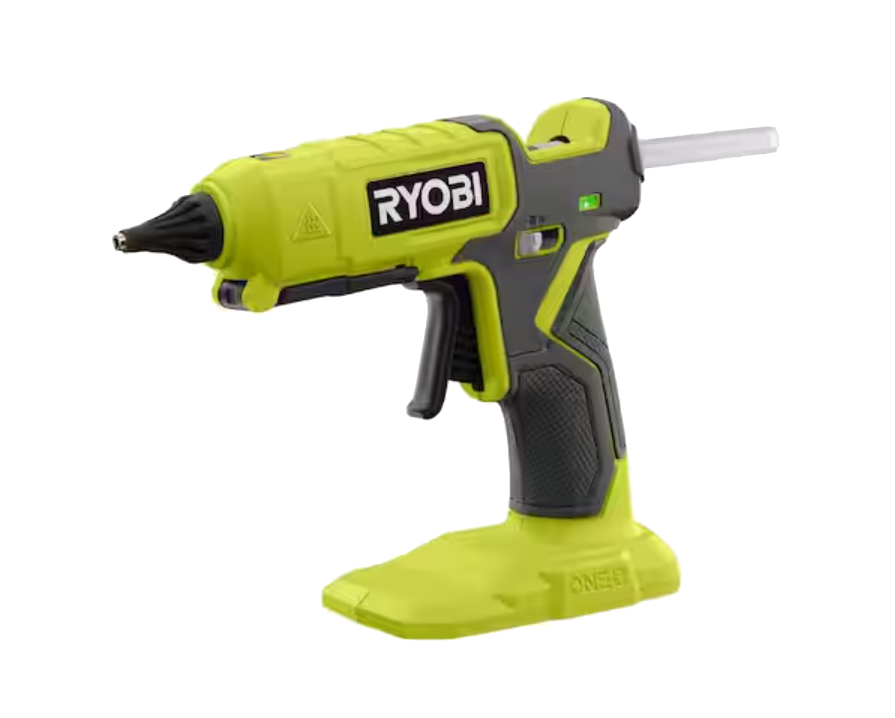
Gluing on concrete requires the right tools, clean surfaces, and quick work. Use a cordless Ryobi glue gun for safety and mobility, and always prepare your surface beforehand. Work fast, be patient, and your bonds will last longer. Proper technique and safety habits make all the difference for a professional-looking, durable fix. With these tips, you’ll turn a simple glue job into a lasting installation and less maintenance.